Reading the Heavens
Literary Guides
Read medieval literature through the heavens that shaped its imagination. These guides connect astrology, cosmology, and symbolism to the texts of Dante, Chaucer, and their world.
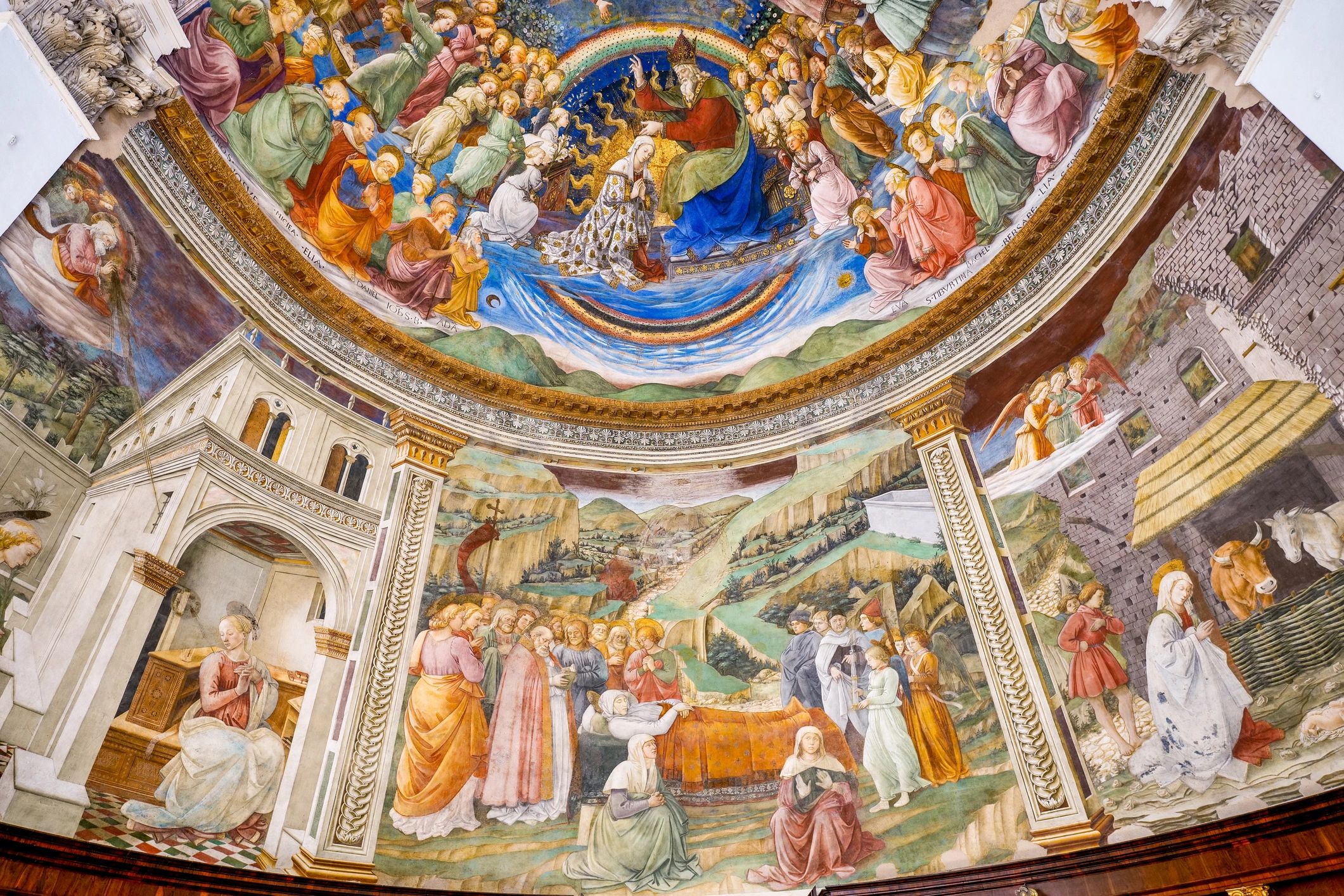
Start Here
Guides for Close Reading
Use these focused pathways to trace how medieval readers understood the stars, the planets, and the ordered cosmos within literary works.

Dante and the Spheres
Follow the celestial architecture of the Divine Comedy, from the moon to the fixed stars and beyond.
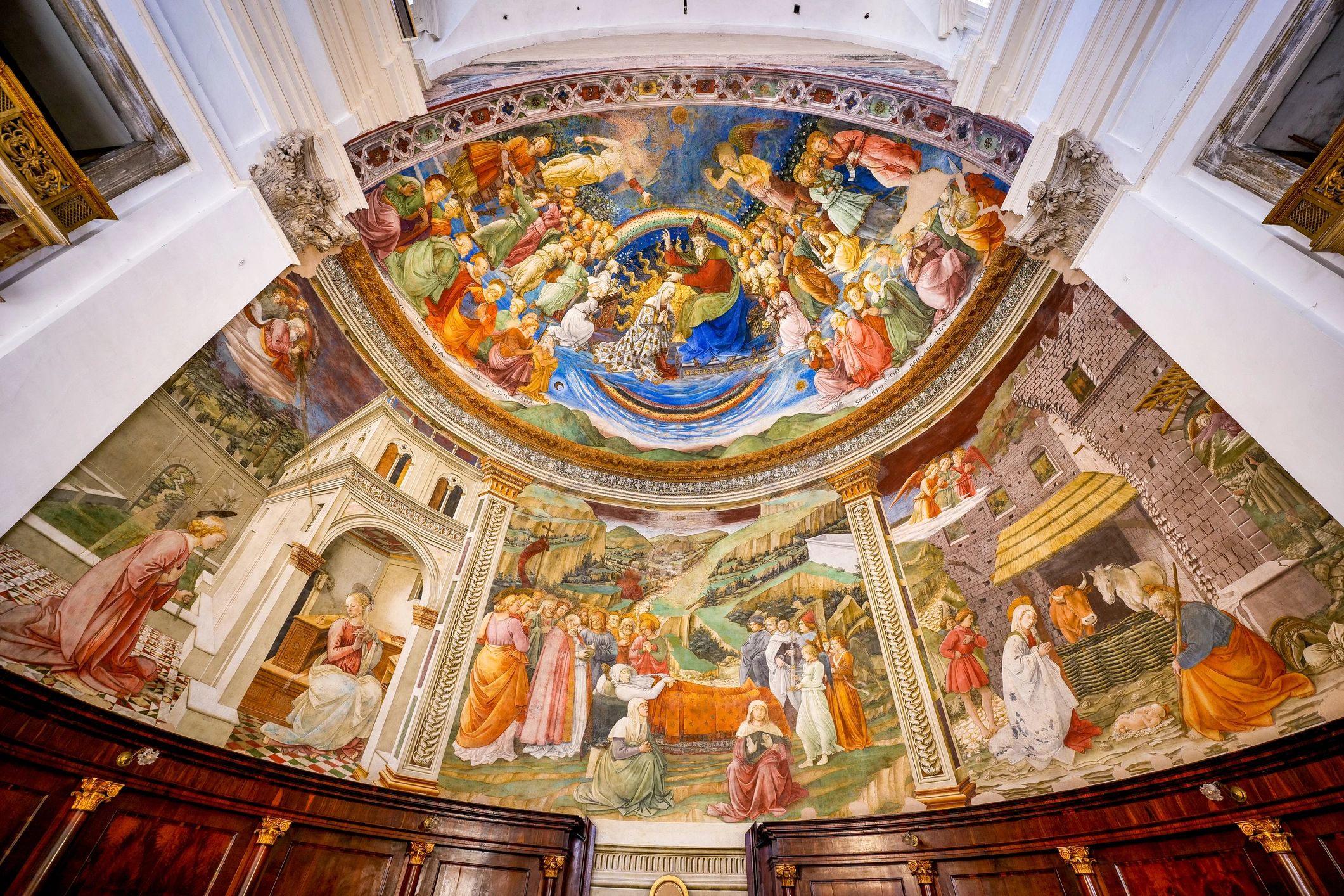
Chaucer’s Astrological World
Read the Canterbury Tales with attention to planetary timing, learned astrology, and everyday belief.
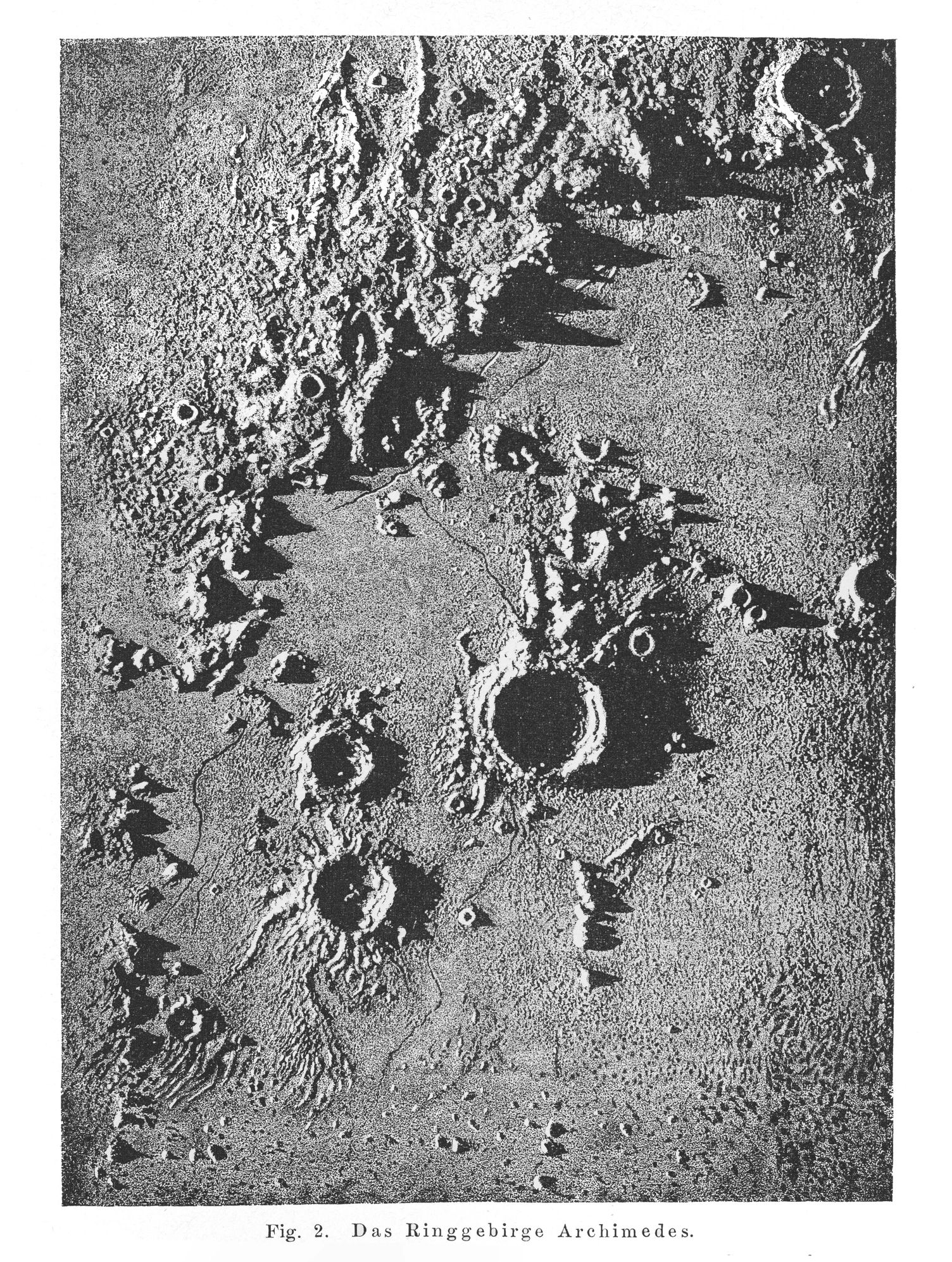
Symbols and Allegory
Learn to recognize zodiacal signs, planetary qualities, and cosmological images as literary tools.
A Method
Read Context Before Symbol
Medieval astrology was not a modern horoscope system. It was a learned language for describing time, temperament, causation, and the relationship between earthly life and the ordered heavens.
When a poet names a planet or season, the reference can shape a character’s disposition, a narrative moment, or an argument about providence and free will. Begin with the cosmological framework, then return to the passage with sharper questions.
The heavens offer a vocabulary for reading, not a shortcut to meaning.
A reading principle
Each guide pairs essential concepts with literary prompts so readers can move from historical context to attentive interpretation.
A Reading Compass
Enter the Text’s World
Medieval poems do not ask us to become experts before we begin. They invite us to notice that the world is charged with meaning: the seasons, the stars, the movements of the soul, and the patterns that join private choices to a larger moral order.
Start with the framework explored on the Medieval Cosmos page. The macrocosm, the ordered heavens, and the microcosm, the human person, were often understood as corresponding scales of one creation. This does not make every image a code to crack. It gives a reader a patient way to ask why a journey rises or falls, why a planet appears at a decisive moment, or why a landscape seems to answer a character’s inward condition.
Let the cosmos enlarge the question, not close the interpretation.
A reader’s compass
Read slowly. Keep the literal scene in view, then let cosmology, astrology, and moral imagination add depth. The goal is not to flatten Dante, Chaucer, or their contemporaries into a system, but to recover the spacious world of signs, freedom, providence, comedy, and consequence in which their stories unfold.
Dante
Read Dante’s Ascent
In the Divine Comedy, the universe is not decorative scenery. Hell, Purgatory, and Paradise are moral landscapes, and the ascent through the heavens gives visible form to an education in love, knowledge, and freedom.
As you read, notice where Dante is placed and what that place permits him to see. The planetary spheres of the Paradiso are not merely astronomical stations; they gather souls whose lives reveal distinctive virtues and modes of blessedness. Yet Dante repeatedly presses beyond any simple equation between a person and a star. Celestial influence belongs to the created order, while the will remains answerable for its choices. That tension makes the poem’s cosmic architecture ethically alive.
For Dante, the heavens are ordered, radiant, and never the final measure of the soul.
A question for every passage
Try three questions: What kind of desire is being trained or disordered here? How does the setting make that moral condition visible? And what changes when the poem moves from darkness, through purgation, toward light? These questions keep the grandeur of the cosmos close to the drama of a single human life.
Chaucer
Read Chaucer’s Timing
The Canterbury Tales brings cosmic learning down to the road: into weather, medicine, courtship, travel, argument, and comic self-display. Chaucer’s world is learned and earthy at once, alert to both the high language of the spheres and the unpredictable texture of daily life.
When Chaucer mentions a season, a planet, a zodiacal sign, or an astrological calculation, pause before treating it as quaint ornament. Such details can establish a time of year, suggest a temperament, sharpen a joke, or reveal the gap between a speaker’s learning and wisdom. The Treatise on the Astrolabe also reminds us that astronomical instruments and calculations belonged to practical as well as literary culture.
In Chaucer, the heavens can illuminate a tale and still leave room for laughter.
A Chaucerian invitation
Ask what the reference does in its immediate scene. Does it organize time, color a character, lend authority, invite irony, or open a question about fortune and choice? This approach lets readers enjoy Chaucer’s wit without losing the intellectual and symbolic world that makes the wit possible.
Beyond the Canon
Follow Images Across Texts
Medieval literature is rich with ladders, wheels, gardens, storms, beasts, jewels, music, and light. These images can carry theological, ethical, natural-philosophical, and emotional force at the same time.
Related works, from dream visions and romances to devotional poetry and moral allegory, often imagine the visible world as a field of correspondences. A wheel may evoke Fortune’s reversals; a garden may suggest cultivated desire or a lost paradise; a star may mark time, order, hope, or the limits of human sight. Context matters: symbols gain force from genre, narrative situation, and the particular words around them.
Symbolic imagination is not an escape from the world; it is a way of seeing the world more fully.
A practice of attention
Keep a small reading notebook. Record a recurring image, its immediate setting, and the question it raises. Then compare it with another passage or text. Over time, patterns emerge without becoming rigid formulas, and the medieval cosmos begins to feel less like distant background than a living horizon for literary attention.